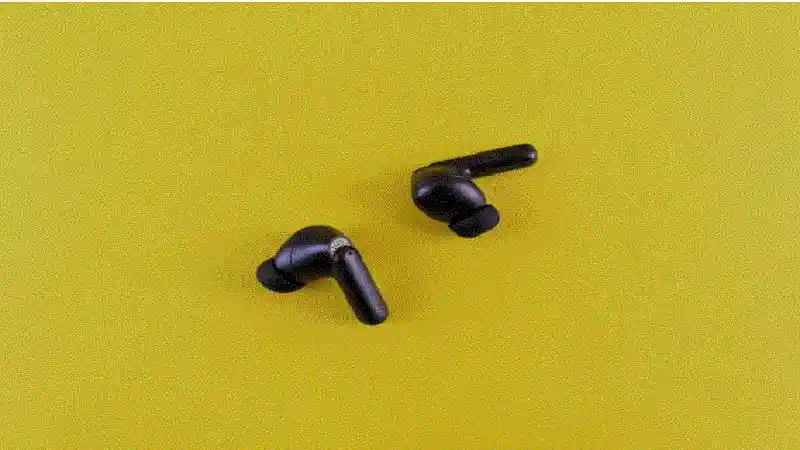
In today’s rapidly evolving technological landscape, the term “earbuds” has become synonymous with the personal audio experience. These compact, wireless devices, available through various online platforms like the JBL Store, have revolutionised the way people listen to music, podcasts, and other audio content. They have made it possible for users to enjoy exceptional sound quality without the hassle of cumbersome cables. Yet, the journey to this wireless era is steeped in innovation and considerable advancements in acoustic engineering.
The Historical Context of Personal Audio Devices
The history of personal audio devices finds its roots in the late 19th and early 20th centuries with the advent of the first headphone prototypes. These were rudimentary devices, primarily used in professional and military settings, and personal audio devices didn’t see a significant shift in consumer use until the rise of the Walkman in the late 1970s. Fast forward to the 21st century, and earbuds have taken the mantle as the most convenient and advanced form of personal audio technology.
Technological Advances Driving the Earbud Revolution
Several critical technological advancements have been instrumental in the evolution of earbuds. The transition from wired to wireless designs marked a pivotal moment in audio technology. Advances in Bluetooth technology have made it feasible to maintain high-fidelity sound while liberating users from the restrictions of cords. Improvements in battery technology, particularly the development of lithium-polymer batteries, have delivered longer listening times, fostering a seamless user experience.
Moreover, contemporary earbuds often incorporate noise-cancelling capabilities, significantly enhancing the quality of sound and providing an immersive auditory bubble. This feature, once only available in over-ear headphones, has been miniaturised without compromising on performance, thus broadening the use-case scenarios for earbuds across various environments.
The Impact of Earbuds on Lifestyle and Culture
The ubiquity of earbuds is not just a technological accomplishment but also a cultural phenomenon. In modern settings, they represent more than a mere accessory; for many, they are a staple of daily life. This discreet form of listening has transformed the way audio content is consumed, enabling multitasking, improving productivity, and transforming commuting into an opportunity for personal enrichment.
The design and functionality of earbuds have responded to increasing demands for both quality and style. As a result, they are available in a staggering variety of shapes, sizes, and colours, catering to diverse consumer preferences. Companies continuously innovate, incorporating biometric sensors and integrating voice-assisted technology, further blending the lines between traditional audio devices and smart technology.
Emerging Trends in the Earbud Market
As earbuds continue to evolve, several emerging trends underscore their future trajectory. The integration of artificial intelligence is paving the way for adaptive soundscapes, tuning audio output based on environmental cues and individual preferences. This evolution augments the interactive experience, transforming ordinary earbuds into intelligent companions.
The concept of sustainability is also taking root within the industry. Manufacturers are exploring eco-friendly materials and enhancing durability to reduce environmental impact.
Furthermore, the growing focus on health and wellness has seen earbuds being adapted for fitness monitoring. Modern versions often include features like heart rate monitoring and real-time feedback to encourage fitness routines. This amalgamation of audio technology with health tracking exemplifies the growing versatility and functional diversity of earbuds.
Challenges Facing Earbud Manufacturers
Despite the technological marvel that earbuds represent, manufacturers face a myriad of challenges. One major hurdle is the balance between compact design and technological capability. These devices must house complex circuits, high-quality speakers, and battery components within a minimal frame, pushing the limits of design and engineering.
Additionally, as earbuds become more integrated into the daily lives of consumers, issues related to data privacy and security have surfaced. With the proliferation of smart technology, users are increasingly concerned about how data collected by earbuds is used and protected, pressing manufacturers to prioritise stringent safeguards and transparency in data handling practices.
Auditory health also requires attention. Prolonged use of earbuds at high volumes can contribute to hearing impairments, prompting both users and manufacturers to seek solutions such as volume limiting features and public awareness campaigns about safer listening practices.
The Future Outlook for Earbuds
Looking ahead, the earbud industry is poised for continued innovation and expansion. The drive for improved audio quality, coupled with constant design refinement, suggests that earbuds will remain a dominant force within consumer electronics. As they continuously integrate emerging technologies, these devices will likely offer even greater convenience and functionality.
Anticipated advancements include even more sophisticated noise cancellation algorithms, augmented reality audio experiences, and entirely new categories of wearable audio technology. As developers harness the full potential of technologies like 5G, the latency issues often associated with wireless streaming could become a thing of the past, allowing for uninterrupted, high-resolution audio experiences.
In conclusion, earbuds have transformed the landscape of personal audio devices, from discrete technological advancements to deeply ingrained cultural icons. They not only reflect the culmination of decades of innovation but also represent an ever-expanding frontier in the realm of consumer electronics. As they continue to evolve, the capacity of earbuds to both shape and adapt to consumer needs ensures they remain at the forefront of personal audio technology.
See More: thegamearchives.co.uk